Trends
Voice Search Optimization: Preparing for the Conversational Web
As smart speakers and voice assistants become ubiquitous, optimizing for 'ear-balls' is just as important as eyeballs. Here are your strategies for 2026.

Voice Search Optimization: Preparing for the Conversational Web
"Hey Google, what's new in marketing?"
The way we search is becoming more conversational. With the rise of smart speakers (Echo, Google Home) and sophisticated voice assistants on our phones (Siri, Gemini, Alexa), your SEO strategy needs to listen up. Literally.
By 2026, an estimated 50% of all searches will have a voice component. If you're not optimized for voice, you're invisible to half the market.
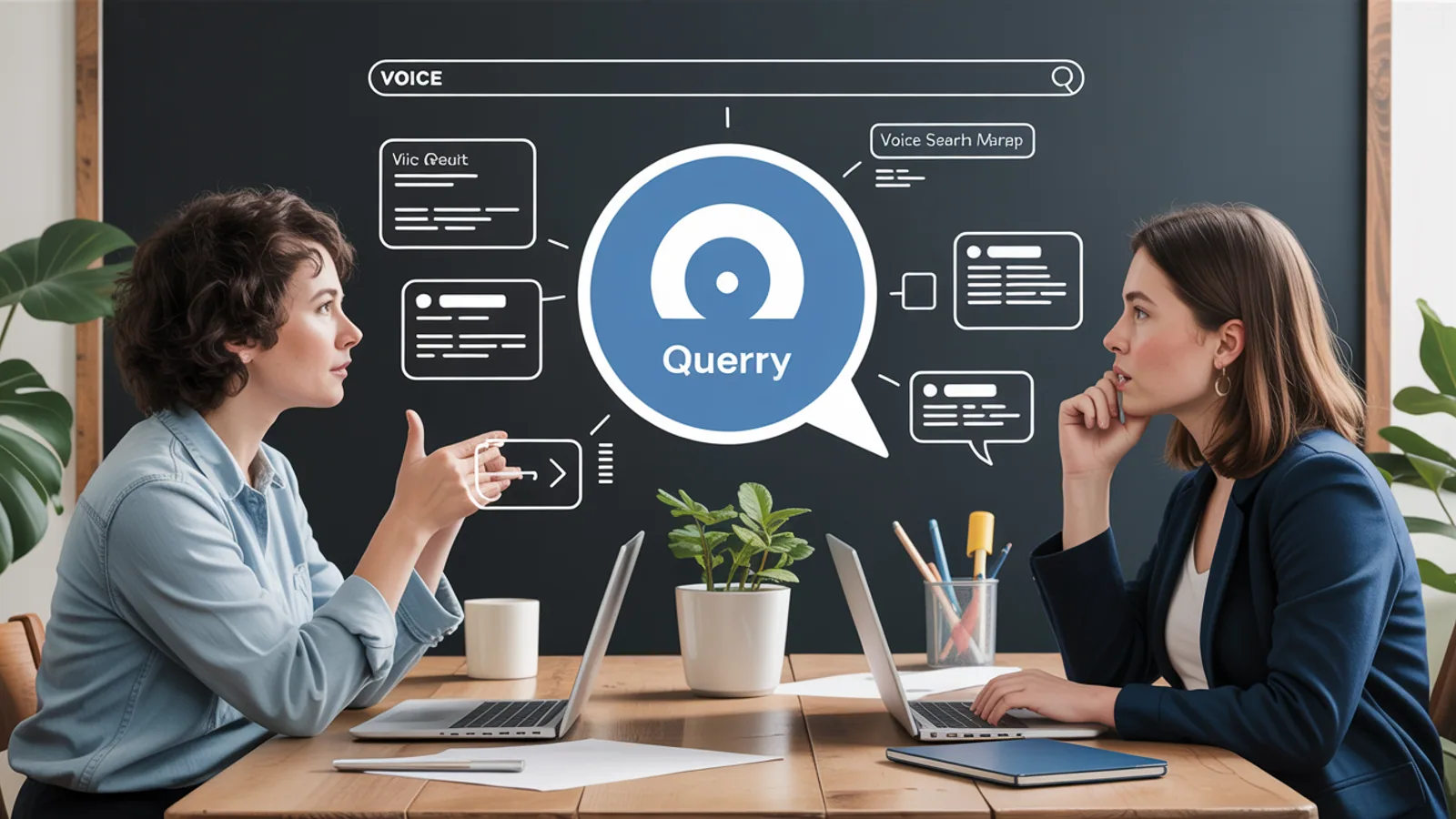
Key Differences: Type vs. Talk
There's a fundamental difference between how people type and how they talk.
- Text Search: Telegraphic. Short. Keyword-focused. "best shoes 2026". "weather NYC".
- Voice Search: Conversational. Long-tail. Question-based. "What are the most comfortable running shoes for marathons released this year?" "Hey Siri, do I need an umbrella in New York today?"
Your content strategy needs to accommodate both.
Optimizing for Featured Snippets (Position Zero)
Voice assistants typically read the "Answer Box" or Featured Snippet (often called Position Zero). This is the highlighted text box that appears above the first organic result. If you aren't in Position Zero, you are essentially invisible to voice search.
How to Win the Featured Snippet:
- Reformulate questions as H2 headings: Use headings like "How do I optimize for voice search?" or "What is the best time to post on Instagram?"
- Provide direct, concise answers: Immediately after the heading, provide a 40-60 word paragraph answering the question directly. This is the text Google will likely pull for the snippet.
- Use lists and tables: For "best of" or comparison queries, a bulleted list or table is highly likely to be featured.
Local SEO is Non-Negotiable
"Near me" searches are massive in voice search. "Where is the nearest coffee shop?" "Find a dry cleaner open now near me."
If you run a local business, voice search is your most important battlefield.
Action Items:
- Claim and optimize your Google Business Profile. Ensure your name, address, phone number (NAP), hours of operation, and attributes are accurate and complete.
- Encourage local reviews. Reviews that contain keywords ("Best latte in Brooklyn") help with voice search relevance.
- Add FAQs to your website. Answer common questions about your business ("Are you open on Sundays?").
Structuring Your Content for Voice
Think about how a user would ask the question out loud, and structure your content to answer it.
- Use natural, conversational language.
- Answer "Who, What, When, Where, Why, How" questions directly.
- Keep paragraphs short. Voice assistants prefer concise answers.
- Use speakable schema. This tells Google which parts of your content are suitable for audio playback.
Next step
Turn this into a practical workflow with the brand setup guide.
MITPO Editorial & Research Team
Operator-verified playbooks benchmarked on active 2026 marketing workflows.
Further Reading
Related Articles

The Rise of Niche Communities: Is the Age of Social Networks Over?
Users are fleeing public town squares for private, focused communities. How brands can navigate the shift to Discord, Circle, and specialized forums.

Influencer Marketing in 2026: What's Changed and What Works Now
The influencer landscape has matured. Macro-influencers are out, authenticity is in. Here's your updated playbook for ROI-positive partnerships.

Authenticity Is the New Moat: Winning the Post-AI-Slop Backlash in 2026
After two years of AI-generated everything, consumers are pushing back. In 2026 craft, point of view, and proof you can't fake have become the real competitive moat. Here's how lean teams use AI for speed without sounding like everyone else.