Marketing
The Psychology of Color in Branding: A Complete Guide
Color isn't just aesthetic; it's emotional. Learn how top brands use color theory to influence purchasing decisions and build lasting brand perception.

The Psychology of Color in Branding: A Complete Guide
When you see red, do you think of Coca-Cola or a stop sign? Color triggers immediate emotional and psychological responses, often before our conscious brain even registers the logo. Choosing the right color palette for your brand isn't about what you "like"-it's about what you want your customers to feel.
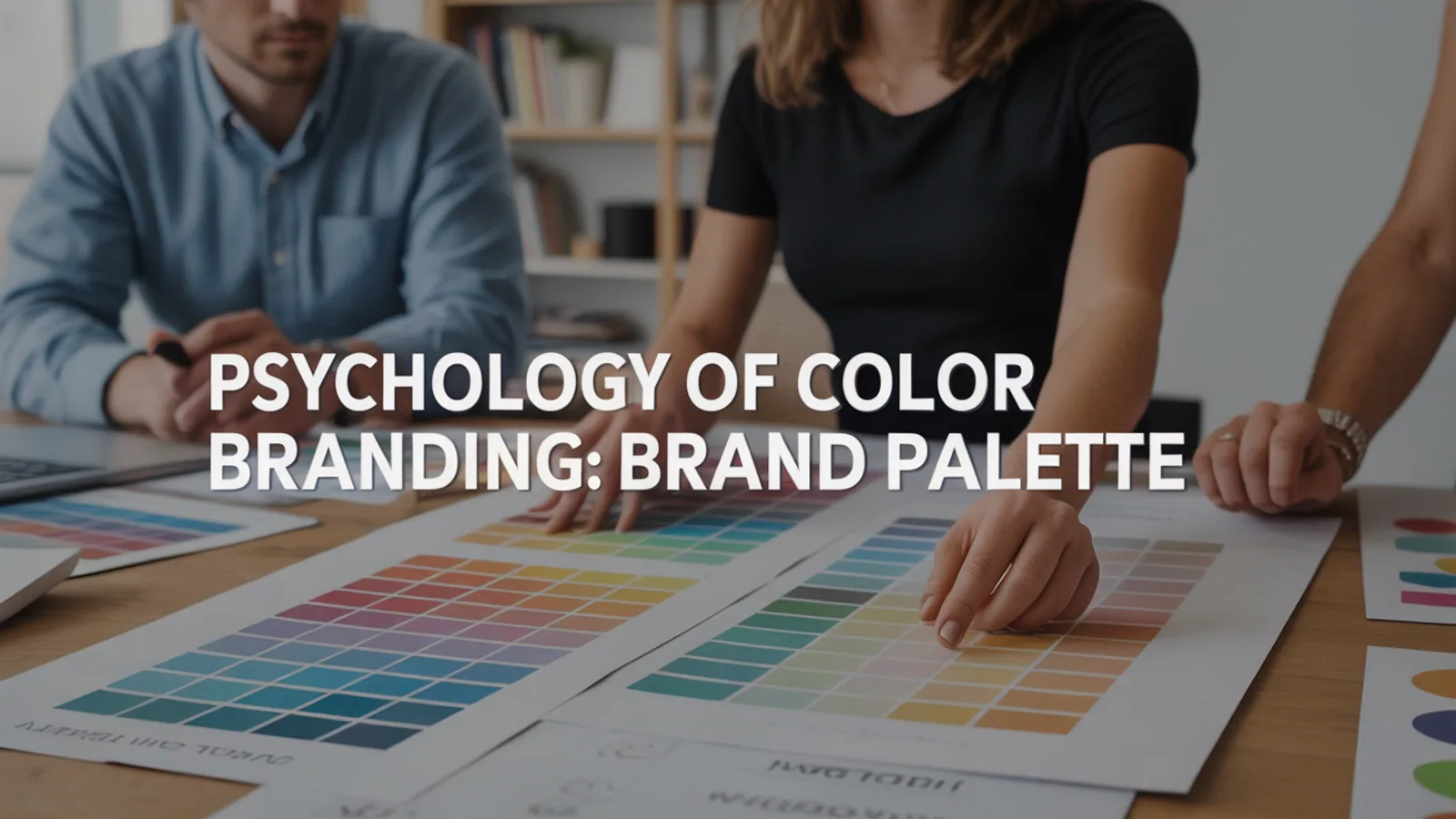
The Science Behind "Color Feelings"
Color perception is influenced by both biology and culture. Warm colors (reds, oranges, yellows) tend to evoke energy and urgency. Cool colors (blues, greens, purples) tend to evoke calmness and trust. Let's break down the most common choices.
Blue: The Color of Trust and Stability
Banks (Chase, Citi, American Express), tech giants (IBM, Intel, Facebook, LinkedIn), and medical companies overwhelmingly use blue. Why? It conveys meaningful stability, intelligence, and calmness. It says, "We are dependable. We won't lose your money. We won't mess up your data."
When to use Blue:
- Financial services
- B2B SaaS
- Healthcare and Pharma
- Any industry where trust is the #1 purchase driver
Red: The Color of Urgency and Excitement
Red increases heart rate-literally. It's a primal signal.
- Fast Food: McDonald's, KFC, Wendy's, Chick-fil-A. It stimulates appetite and creates a sense of speed.
- Retail Clearance: Target, K-Mart. Red screams "Clearance! Act now!"
- Entertainment/Energy: Netflix, YouTube, Coca-Cola. It creates excitement.
When to use Red:
- When you want to create urgency (e-commerce sales).
- Food and beverage.
- Entertainment.
Caution: Red can also signal danger or anger. Use it intentionally, not excessively.
Green: Growth, Health, and Money
Green is obviously connected to nature, making it the go-to for Whole Foods, Beyond Meat, and environmental brands. But money is also green (in the US), so finance apps like Robinhood and Cash App use it to signal wealth generation.
When to use Green:
- Wellness and organic products.
- Finance and investment apps.
- Environmental causes.
Black & White: Luxury and Simplicity
Think Apple, Nike, Prada, Chanel. The lack of color screams confidence. It says, "The product speaks for itself. We don't need to shout." Black and white palettes convey luxury, sophistication, and timelessness.
When to use Black/White:
- Luxury goods.
- High-end tech.
- Any brand that wants to appear minimalist and premium.
Choosing Your Palette: The Framework
- Identify the Core Emotion: What do you want customers to feel? Excited? Safe? Empowered?
- Research Your Competitors: What colors do they use? You might want to differentiate or intentionally align.
- Consider Cultural Context: Colors have different meanings in different cultures. Red is lucky in China but signals danger in the West.
- Test It: A/B test button colors, ad palettes, and landing page themes. Data doesn't lie.
Don't pick colors because you "like" them. Pick them because they align with the emotional reaction you want to evoke in your customer.
Next step
Turn this into a practical workflow with the brand setup guide.
MITPO Editorial & Research Team
Operator-verified playbooks benchmarked on active 2026 marketing workflows.
Further Reading
Related Articles

How to Build a Brand Voice Guide That Your Team Will Actually Use
A step-by-step guide to creating a practical, actionable brand voice document that ensures consistent messaging across all channels.

How to Write Headlines That Get Clicks (Without Being Clickbait)
Learn the psychology and proven formulas behind headlines that capture attention, drive engagement, and deliver on their promise.

Marketing Automation Workflows for Startups: 7 Practical Examples
Seven marketing automation workflows startups can use without overbuilding: lead capture, nurture, social publishing, competitor monitoring, creative review, launch follow-up, and reporting.