Data
Marketing in a Cookieless World: Your First-Party Data Survival Guide
Third-party cookies are crumbling. How to build a data strategy on audiences you actually own, not rented tracking.

Marketing in a Cookieless World: Your First-Party Data Survival Guide
The browser privacy wars have been fought, and the third-party tracking cookie lost. Chrome (finally), Safari, and Firefox have all clamped down on cross-site tracking. If your entire marketing strategy relied on following people around the internet with retargeting ads, you are in serious trouble.
But this isn't the end of marketing. It's the beginning of a better, more trust-based era.
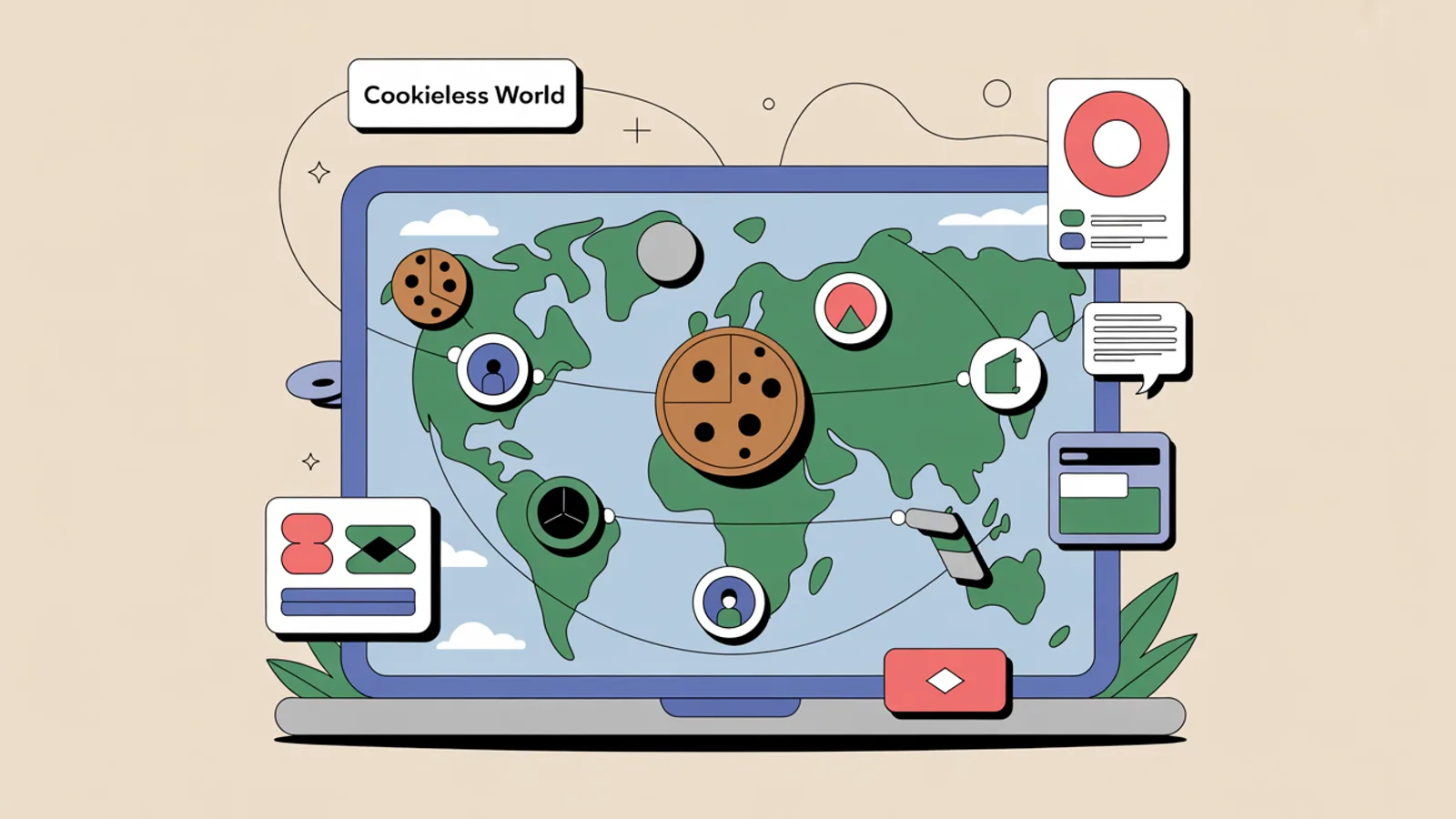
The Privacy Pivot: Why This is Actually Good
For years, marketing was a bit creepy. You'd search for one pair of shoes, and that exact shoe would follow you across the internet for weeks. Users demanded privacy, and regulators (GDPR, CCPA, and a wave of state-level laws) enforced it.
This is a good thing for humans. It forces marketers to build real relationships rather than just stalking prospects. The lazy playbook is dead.
Understanding the Data Types
There are three types of data you should care about now:
1. Zero-Party Data (The Gold Mine)
Zero-party data is data that a customer intentionally and proactively shares with you. It's the most valuable because it's explicit and accurate.
Examples:
- Quizzes: "What is your skin type?" (and they tell you).
- Preference Centers: "Email me only about Men's Shoes."
- Onboarding Surveys: "What's your main goal for using this product?"
- Wishlist Items: Things they've explicitly saved for later.
They tell you exactly what they want. There's no interpretation needed.
2. First-Party Data (Your Own Backyard)
First-party data is behavioral data collected from your own properties (your website, your app, your email list). This is data you collect directly about your users' interactions with you.
Examples:
- What pages did they visit?
- What products did they add to cart (and abandon)?
- What emails did they open and click?
- How often do they log in?
This is incredibly valuable and is completely unaffected by cookie restrictions because it happens on your domain with your own data.
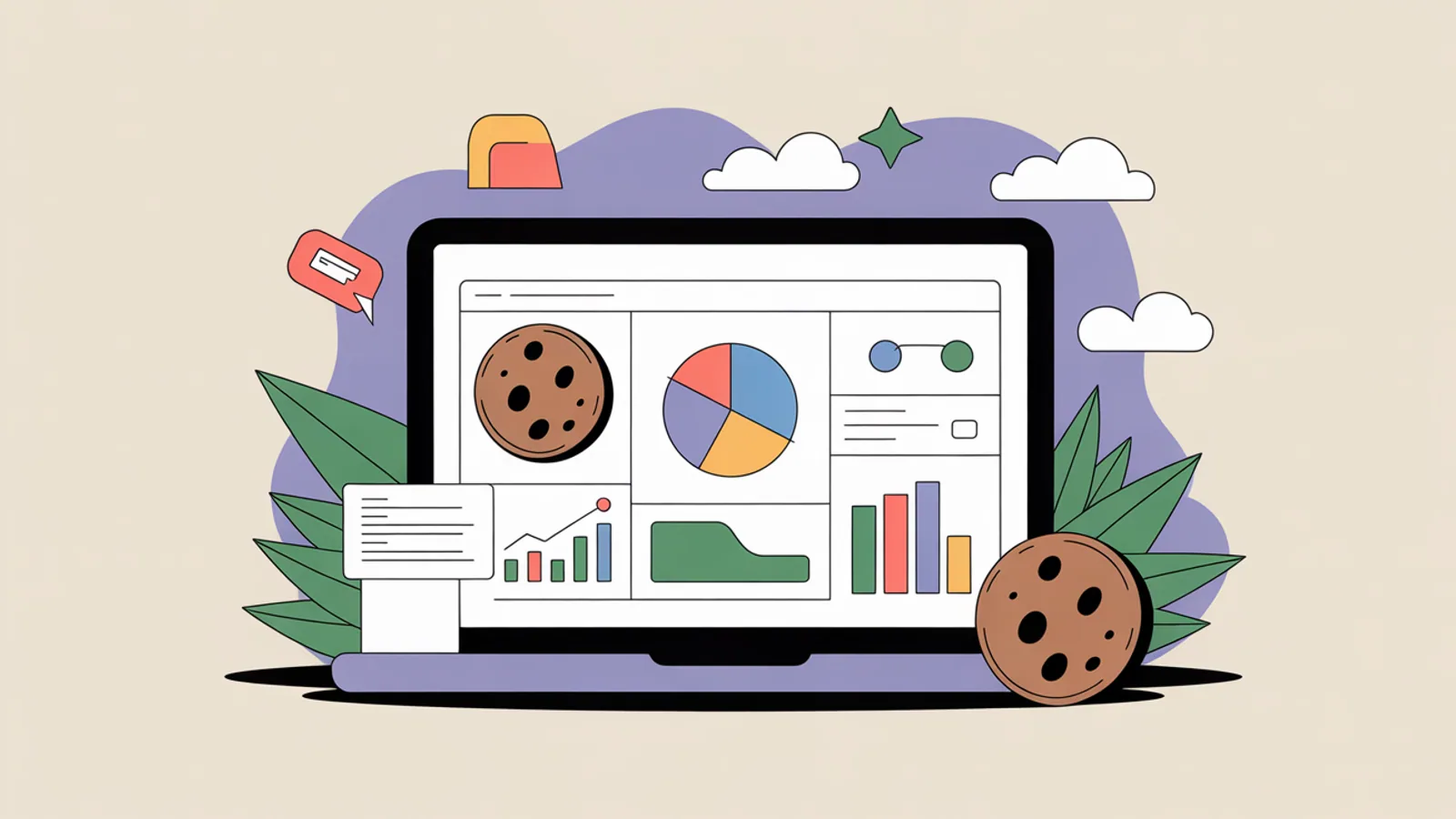
3. Third-Party Data (The Dying King)
Third-party data is data collected by someone else and sold to you. This includes the data from third-party cookies. This is what's dying.
The Value Exchange: How to Get the Data
To convince users to share their zero-party data and engage enough to generate first-party data, you must offer value in exchange.
You can't just put up a popup saying "Sign up for our newsletter." That's not valuable enough anymore.
What works:
- Gated High-Value Content: "Download the 2026 State of the Industry Report."
- Personalized Discounts: "Get 15% off your first order for telling us your birthday."
- Utility & Tools: "Use our free ROI calculator" or "Get a personalized quote."
- Exclusive Access: "Join our community for early access to new features."
The relationship is transactional and transparent: "I give you my data, and you give me tangible value." Build your entire data strategy around this principle.
Next step
Turn this into a practical workflow with the campaign planning guide.
MITPO Editorial & Research Team
Operator-verified playbooks benchmarked on active 2026 marketing workflows.
Further Reading
Related Articles

Build, Buy, or Use a Social Publishing Platform?
Three practical paths for startup social publishing: build it yourself, wire a scheduling API, or choose a workflow platform that includes drafting and review.

Design Trends That Will Dominate 2026
From neo-brutalism to glassmorphism 2.0, explore the visual styles that are defining the aesthetic of the next web generation.

Programmatic Advertising: Is It Time to Fully Embrace the Algorithm?
Automated bidding strategies are outperforming humans 10 to 1. Is it time to hand over the keys to the algorithms?